Whew… We Needed This Rain…But Lawn Fungus After Rain is What Carolina Homeowners Should Watch for Next.
If you’ve talked to just about anyone in the Carolinas over the past few days, you’ve probably heard the same thing:
“Whew…we needed this rain.”
And honestly, we did.
After weeks of hot temperatures, drought conditions, and watching lawns struggle, seeing widespread soaking rain was a welcome sight. Brown patches were becoming more common, irrigation systems were running overtime, and many homeowners were wondering if their lawns would ever bounce back.
Then the skies finally opened up.
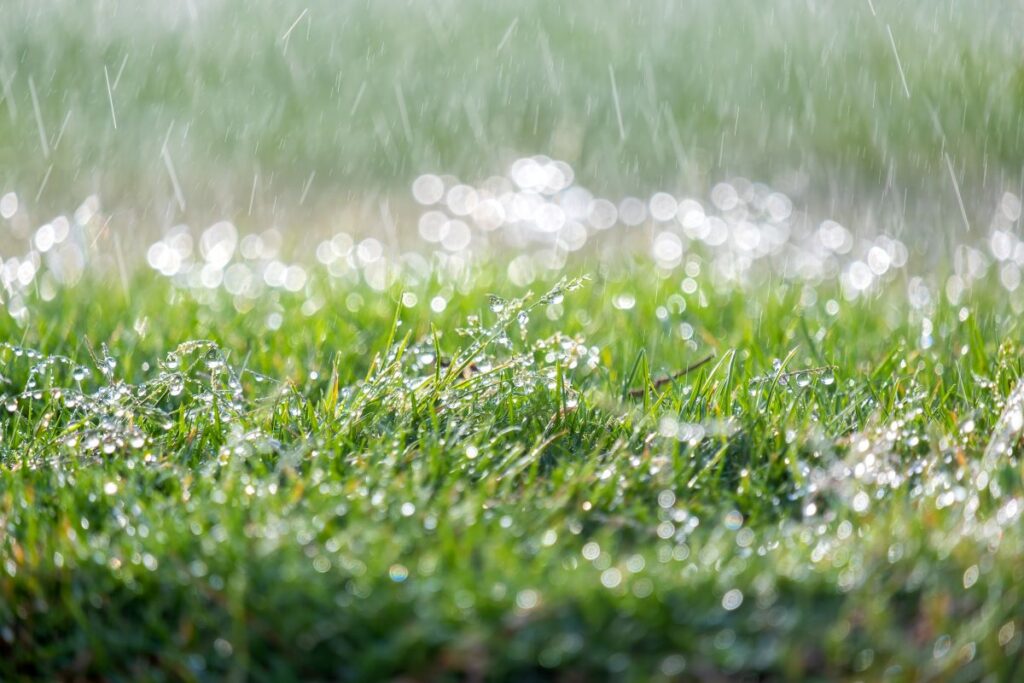
For many areas around Charlotte and throughout the Carolinas, it wasn’t just a little rain – it was exactly the kind of widespread soaking rainfall our landscapes had been waiting for.
The Rain Couldn’t Have Come at a Better Time
Recent drought conditions have been tough on lawns throughout our service area.
Warm-season grasses like Bermuda and Zoysia are incredibly resilient, but even they begin to show signs of stress after extended periods of heat and limited rainfall. Fescue lawns, especially those already battling summer stress, were under even greater pressure.
This recent rainfall gave many lawns something irrigation simply can’t fully replicate: a long, slow soaking that penetrates deep into the soil and helps recharge moisture where grass roots need it most.
Charlotte meteorologist Brad Panovich summed up just how significant this weather event was when he shared:
That’s incredible and it’s great news for our landscapes.
But at Hippo Turf Care, weather like this also gets us thinking about something many homeowners don’t immediately see coming.
Heavy Rain Can Create Ideal Conditions for Lawn Fungus
One of the biggest misconceptions we hear is that rain causes fungus.
It doesn’t.
Fungal diseases are usually already present in the environment. What they need are the right conditions to become active.
And after a prolonged drought, those conditions can come together surprisingly fast.
Warm temperatures…
High humidity…
Several days of wet grass…
Moist soil…
That’s exactly the environment many lawn diseases love.
As turf professionals, this is when we begin paying much closer attention to the lawns we manage.
Why Drought-Stressed Lawns Can Be More Vulnerable
This is something we see nearly every summer.
A lawn spends weeks trying to survive drought conditions. The grass is already stressed and using much of its energy simply staying alive.
Then it finally receives the moisture it’s been waiting for.
While that’s excellent for recovery, it can also create an opportunity for fungal diseases to move into weakened turf before the grass has fully bounced back.
It’s one of those situations where the weather gives us two very different outcomes at the same time:
- The moisture your lawn desperately needed.
- The moisture lawn diseases have been waiting for.
What Should You Watch For?
Over the next week or two, don’t be surprised if your lawn changes quickly.
If you notice areas that seem to be getting worse instead of better after the rain, it’s worth taking a closer look.
Signs of lawn fungus after heavy rain can include:
- Circular brown or tan patches that continue expanding
- Yellow rings surrounding damaged grass
- Thin areas that appear almost overnight
- Grass that looks greasy or matted in the morning
- Sections that don’t seem to recover even after temperatures cool
Not every brown spot is a fungus problem, but catching disease early almost always leads to better results than waiting to see if it goes away on its own.
What We’re Watching at Hippo Turf Care
One thing I’ve learned after years of caring for lawns throughout the Carolinas is that no two summers are exactly alike.
Weather drives almost everything we do.
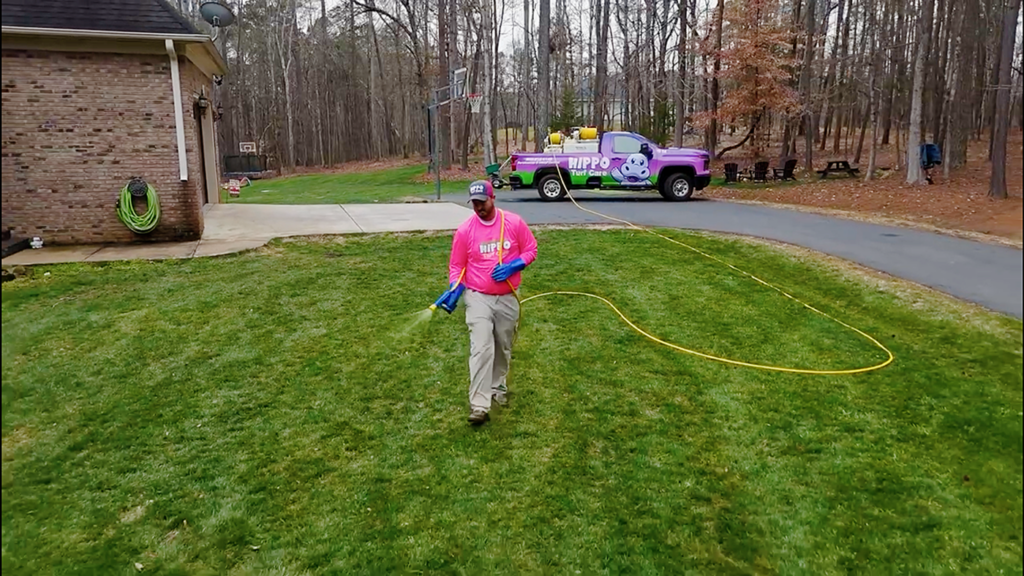
When we go from extended drought conditions to several inches of rainfall in a short period, our technicians immediately begin watching for changing disease pressure. During our scheduled visits, we’re paying close attention to areas where moisture lingers, where turf was already stressed before the rain, and where fungal diseases are most likely to develop.
Just as importantly, we don’t believe in applying products simply because they’re on a shelf.
If a fungicide is needed, we’ll recommend it.
If your lawn is recovering well without one, we’ll tell you that too.
Our goal has always been to make recommendations based on what your lawn actually needs.
How You Can Help Your Lawn Recover
The good news is that there are a few simple things homeowners can do to help their lawn make the most of this much-needed rainfall.
If possible:
- Hold off on additional irrigation until the soil begins to dry.
- Water only in the early morning if supplemental watering becomes necessary.
- Avoid mowing while the lawn is still saturated.
- Keep mower blades sharp to reduce stress on recovering grass.
- If you notice suspicious brown patches spreading quickly, have them evaluated sooner rather than later.
Sometimes the best thing you can do is simply give the lawn a chance to recover naturally. Other times, acting early can prevent a small disease outbreak from becoming a much larger problem.
The Rain Was a Blessing – Now Let’s Keep Your Lawn Healthy
There’s no question this recent rainfall was something our area desperately needed.
After weeks of dry conditions, seeing ponds refill, landscapes green up, and lawns finally receive a deep soaking was refreshing for everyone.
Now comes the next step.
Over the coming days and weeks, keep an eye on your lawn as it begins to recover. Most will respond beautifully to the added moisture. Others may develop signs of disease as warm temperatures and lingering humidity create ideal fungal conditions.
Knowing the difference – and responding appropriately – can make all the difference in how your lawn looks for the rest of the summer.
At Hippo Turf Care, that’s exactly what we’re watching for.
📞 Call or Text: 803-810-1145
👉 Contact Us