

Can You Fix a Lawn That Is Already Full of Weeds?
If you’re staring out at your yard wondering, “can you fix a lawn that is already full of weeds?” — you’re not alone. Across the Carolinas, spring brings a surge of weed growth that can quickly take over a lawn that didn’t get ahead of the problem early.
The good news? Yes, you absolutely can fix a lawn that is already full of weeds.
The reality? It takes the right strategy, consistency, and sometimes a little help from professionals to do it effectively.
In this guide, we’re going to break down:
- Why your lawn got overrun in the first place
- Realistic expectations for recovery
- Proven DIY tactics that actually work
- Common mistakes to avoid
- And how professional turf care can completely transform your lawn faster and more efficiently
Let’s dig in.

Why Lawns Become Full of Weeds in the First Place
Before fixing the problem, it’s important to understand why it happened. Weeds don’t just randomly appear—they thrive when your lawn is weak.
Here are the most common reasons lawns in the Carolinas get overrun:
1. Thin or Bare Turf
Weeds love open space. If your lawn has thin areas or bare spots, weeds will fill them in quickly.
2. Poor Soil Health
Compacted soil, low nutrients, and poor pH balance create an environment where grass struggles—but weeds thrive.
3. Missed Pre-Emergent Timing
Pre-emergent weed control is one of the most important steps in lawn care. If you miss that window in early spring, weeds like crabgrass and spurge will take over.
4. Improper Mowing
Cutting your grass too short (scalping) weakens it and allows sunlight to reach weed seeds, helping them germinate.
5. Inconsistent Watering
Too much or too little water stresses turf and creates perfect conditions for weeds to move in.
Can You Fix a Lawn That Is Already Full of Weeds?
Let’s answer the big question directly:
Yes — but it depends on how bad it is.
There are generally three levels of weed infestation:
Mild Infestation
- Scattered weeds throughout otherwise healthy grass
- Easily manageable with spot treatments and proper care
Moderate Infestation
- Weeds covering 30–60% of the lawn
- Requires a structured plan over several weeks or months
Severe Infestation
- Lawn is mostly weeds with little healthy turf
- May require aggressive treatment or even renovation
No matter which category you fall into, there is a path forward. It just changes based on the condition of your lawn.

Step-by-Step DIY Strategy to Fix a Weedy Lawn
If you’re going the DIY route, here’s a proven strategy to start reclaiming your yard.
Step 1: Identify the Types of Weeds
Not all weeds are treated the same. In the Carolinas, the most common ones include:
Why this matters:
Different weeds require different herbicides. Using the wrong one = wasted time and money.
Step 2: Apply the Right Post-Emergent Herbicide
Since your lawn already has weeds, post-emergent control is key.
There are two main types:
Broadleaf Herbicides
Target weeds like:
- Dandelions
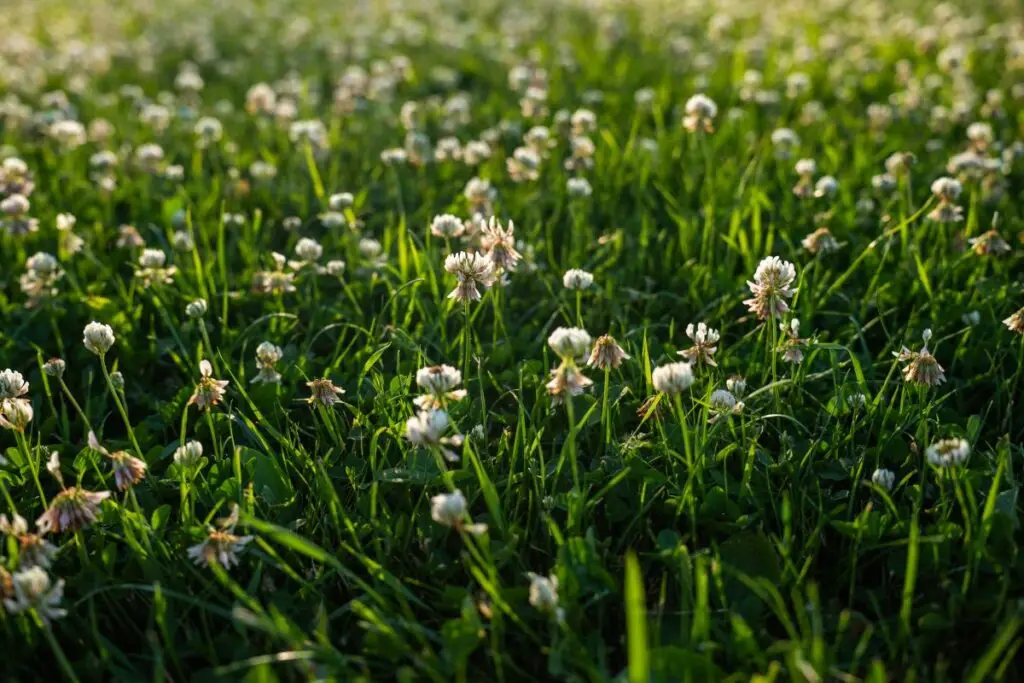
- Clover
- Chickweed
Grassy Weed Herbicides
Target:
- Crabgrass
- Foxtail
Nutsedge-Specific Products
Nutsedge requires specialized treatment—it won’t respond to standard weed killers.
👉 Pro Tip: Always check that the herbicide is safe for your specific grass type (Bermuda, Zoysia, or Fescue).
Step 3: Timing Is Everything
One of the biggest DIY mistakes is applying products at the wrong time.
- Apply when weeds are actively growing
- Avoid extreme heat (above 85–90°F)
- Don’t apply right before rain (unless label says it’s okay)
Consistency matters more than one heavy application.
Step 4: Improve Your Mowing Habits
This is one of the most underrated steps in fixing a weedy lawn.
- Mow frequently (weekly or more)
- Follow the one-third rule (never cut more than 1/3 of the blade)
- Keep mower blades sharp
Healthy, thick grass is your best natural defense against weeds.
Step 5: Fertilize to Strengthen Turf
Weeds thrive when grass is weak. Fertilization helps your lawn compete.
- Use a balanced fertilizer appropriate for your grass type
- Apply during active growth periods
- Avoid over-fertilizing (this can actually worsen weed issues)
For example:
- Bermuda & Zoysia → thrive in late spring and summer
- Fescue → thrives in fall and early spring
Step 6: Water the Right Way
Water deeply but infrequently.
- Aim for 1 inch of water per week
- Water early in the morning
- Avoid daily shallow watering (this promotes weeds)
Step 7: Address Bare Spots
After weeds die off, you’ll likely be left with bare areas.
For cool-season lawns (Fescue):
- Overseed in the fall
For warm-season lawns (Bermuda/Zoysia):
- Allow grass to spread naturally or consider sod/plugs
Common DIY Mistakes That Make Weed Problems Worse
Even with good intentions, many homeowners accidentally make things worse.
❌ Overusing Weed Killer
More is NOT better. Over-application can damage your grass.
❌ Using the Wrong Product
Not all weed killers work on all weeds—or all grass types.
❌ Ignoring Soil Health
Without improving soil conditions, weeds will keep coming back.
❌ Expecting Instant Results
Fixing a lawn full of weeds is a process, not a one-week fix.
The Real Strategy: It’s Not Just Killing Weeds
Here’s where most people go wrong…
They think lawn care is about killing weeds.
In reality, it’s about:
Creating a lawn so thick and healthy that weeds can’t survive.
That means:
- Proper fertilization
- Weed control (pre + post emergent)
- Soil health improvement
- Consistent maintenance
Weed control is just one piece of the puzzle.
When DIY Isn’t Enough
You can absolutely make progress on your own—but there are situations where DIY becomes frustrating fast.
Signs You May Need Professional Help:
- Weeds keep coming back no matter what you try
- You’re not sure what type of weeds you have
- You’ve applied products but see little to no improvement
- Your lawn is more weeds than grass
- You don’t have time to stay consistent
This is where professional turf care can make a massive difference.
How Professional Turf Care Fixes a Lawn Full of Weeds
A professional program isn’t just about spraying weeds—it’s a complete system designed to rebuild your lawn.
Here’s how it works:
1. Customized Lawn Analysis
Every lawn is different.
Professionals evaluate:
- Grass type
- Soil conditions
- Weed pressure
- Sun/shade patterns
This allows for a tailored treatment plan—not guesswork.
2. Pre-Emergent Weed Control
Stops weeds before they even start.
This is one of the biggest advantages of professional care:
- Proper timing
- Proper coverage
- Season-long prevention
3. Targeted Post-Emergent Treatments
Instead of guessing, professionals:
- Identify exact weed types
- Use the correct products
- Apply at the right rates
This leads to faster and more effective results.
4. Strategic Fertilization Programs
Fertilization isn’t random—it’s timed and measured.
A professional program typically includes:
- Multiple applications throughout the year
- Nutrients matched to your grass type
- Growth optimization without overstimulation
5. Soil Health & Aeration
Compacted soil is a major cause of weed problems.
Professional aeration:
- Loosens soil
- Improves root growth
- Enhances nutrient absorption
6. Long-Term Lawn Transformation
The goal isn’t just to fix your lawn for one season—it’s to build a lawn that stays healthy year after year.
DIY vs Professional Turf Care: What’s the Difference?
| DIY Approach | Professional Turf Care |
|---|---|
| Trial and error | Proven system |
| Store-bought products | Commercial-grade treatments |
| Inconsistent timing | Precisely timed applications |
| Limited weed control | Comprehensive weed prevention |
| Slower results | Faster, more noticeable improvements |
What to Expect After Starting Treatment
If you’re wondering how long it takes to fix a lawn full of weeds, here’s a realistic timeline:
First 2–4 Weeks
- Weeds begin to discolor and die
- Lawn may look worse before it looks better
1–3 Months
- Noticeable reduction in weed population
- Grass begins to thicken
3–6 Months
- Lawn starts filling in
- Fewer new weeds appearing
6–12 Months
- Major transformation
- Thick, healthy turf crowding out weeds
Consistency is everything.
Final Answer: Can You Fix a Lawn That Is Already Full of Weeds?
Let’s bring it full circle.
Yes—you can fix a lawn that is already full of weeds.
But here’s the honest truth:
- It takes time
- It takes consistency
- And it takes the right strategy
You can absolutely tackle it yourself using the steps above. But if you want faster, more reliable results—and less frustration—a professional turf care program can make a huge difference.
Ready to Take Back Your Lawn?
If you’re tired of fighting weeds and ready for a lawn you can actually enjoy, a proven turf care program can save you time, money, and headaches in the long run.
At Hippo Turf Care, we specialize in:
We don’t just treat lawns—we build them.
📞 Call Hippo Turf Care at 803-810-1145
Let’s turn your weed-filled yard into a lawn you’re proud of.
Prefer to send us a message online? Contact Us here
This article was written by the Hippo Turf Care team, based in Rock Hill, SC, with professional experience providing fertilization, weed control, aeration, overseeding, and turf care services for the local community. We’re proud to now offer mosquito control services in York County, SC and the surrounding area.