Bermuda
Bermuda does its strongest growing in warm weather. Fertilization should support that active growth after spring green-up, with adjustments as the season changes.

Professional lawn fertilization in Rock Hill, Fort Mill, Lake Wylie, and nearby communities. We help your grass get the nutrients it needs, with care that fits the lawn and the season.
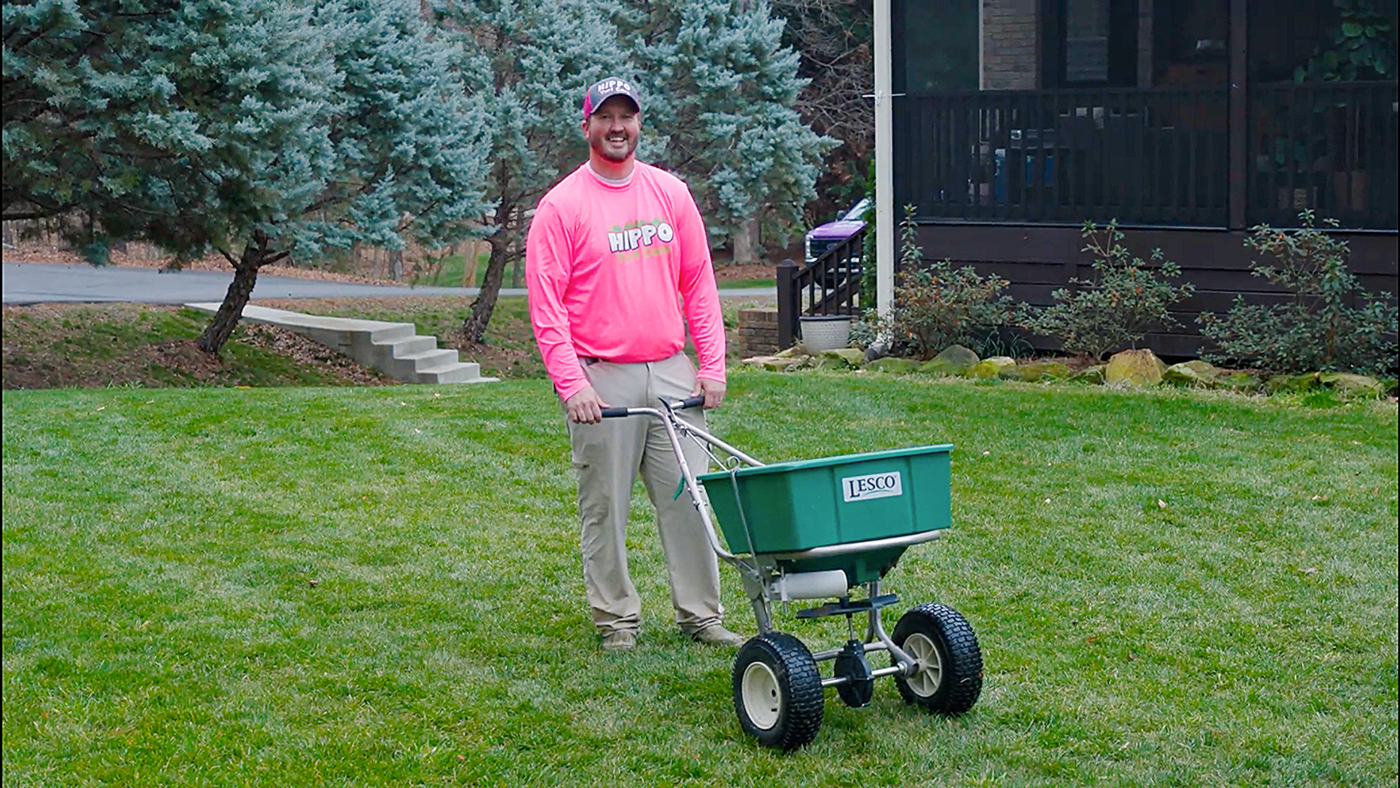

If your grass looks thin or has lost its color, another bag of fertilizer may not be the whole answer. Grass type, growing conditions, and the time of year all matter.
At Hippo Turf Care, fertilization is part of caring for the whole lawn. We pair it with weed control and seasonal attention to help your turf grow thicker and healthier over time.
See how our lawn care programs work →A fescue lawn and a Bermuda lawn shouldn't follow the same fertilizer calendar. Feeding should support the grass when it can put those nutrients to work.
Bermuda does its strongest growing in warm weather. Fertilization should support that active growth after spring green-up, with adjustments as the season changes.
Fescue's feeding schedule centers on cooler growing periods. Summer stress calls for careful management, rather than pushing extra growth with more fertilizer.
Zoysia benefits from measured feeding during its active growing season. The goal is steady, healthy turf, with nutrient needs guided by the lawn and its soil.
Not sure what grass you have? Start with a quote and tell us what you're seeing. We'll help you work out the next step for your lawn.
Grass type and current conditions help determine the right approach. Brown or thin areas can have causes that fertilizer alone won't fix.
Fertilization needs change through the year. A lawn care visit doesn't always mean the lawn needs another dose of nitrogen.
Weed pressure, mowing, and watering all affect how the lawn responds. Consistent care gives your grass a better chance to improve.

Fertilization is included in Hippo Turf Care's 8-round and 12-round programs, alongside weed control and lawn pest protection. Compare the options to find the level of care that fits your lawn.

Will Hall and the Hippo Turf Care team work with homeowners in Rock Hill, Fort Mill, Tega Cay, Lake Wylie, Clover, York, and nearby communities.
Have questions about your lawn? Tell us what's going on. Whether you're starting with a patchy yard or maintaining a lawn you already love, we're here to help you decide what it needs next.
Get to know Hippo Turf Care →It depends on your grass. Bermuda and zoysia are generally fed during their warm-weather growing season. Tall fescue follows a cooler-season schedule. Weather, soil conditions, and the lawn's health also affect timing.
Fertilizer feeds grass; it doesn't kill weeds. Weed control is a separate part of lawn care. Our programs bring the two together so we can address weed pressure while supporting healthy turf.
Not always. Brown patches can come from drought stress, insects, disease, or other growing conditions. Identifying the cause matters before adding fertilizer or choosing another treatment.
Results depend on the grass, weather, available moisture, and the lawn's starting condition. Color can improve before thin areas fill in. Building a thicker lawn takes time and consistent care.
Follow the instructions provided for your treatment. Granular fertilizer often needs watering in, but directions can differ when other products are applied during the same visit. Ask us if you're unsure before watering.
Your property size and selected program affect the price. Use our instant quote tool for an estimate, or compare the 8-round and 12-round programs to see the available options.
For more on grass-specific nutrient needs, see Clemson Extension's guide to fertilizing lawns.
Let's put a plan behind it. Get a quote for your property and take the next step toward a healthier lawn.